The Quiet Lives of Japan’s Older Gay Men: A Story of Survival and Silence
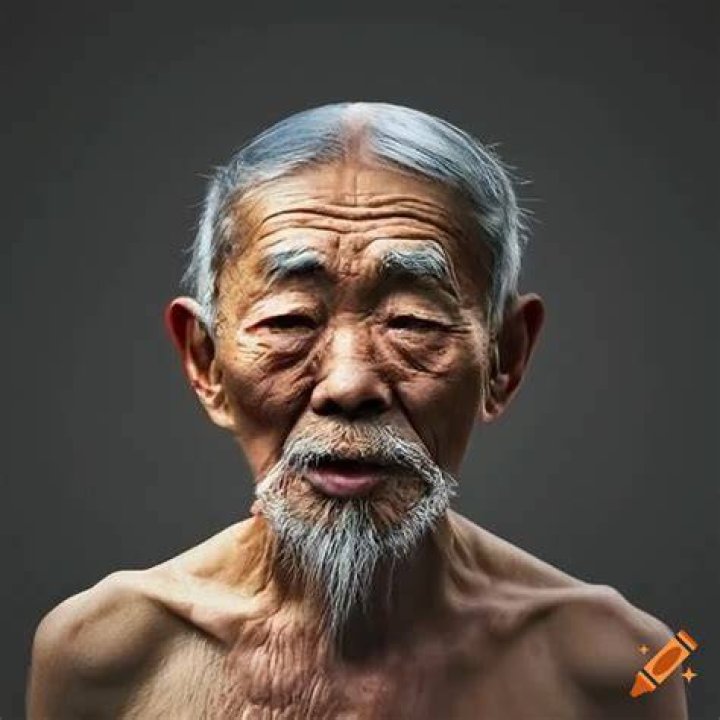
In the narrow backstreets of Shinjuku Ni-chome, Tokyo’s famous gay district, the neon lights pulse with the energy of youth. But step away from the main drag, into a quiet bar on the third floor of a nondescript building, and you will find a different world entirely. Here, the clientele is older. The music is softer. The conversations are slower, often punctuated by long silences. This is the domain of the Japanese old man gay—a demographic that has largely been invisible, even within Japan’s own LGBTQ+ community.
For decades, these men have lived in the shadows. They came of age in a Japan where homosexuality was not just taboo—it was often criminalized under local ordinances. They learned to hide. They learned to marry women, to have children, to build lives that looked normal from the outside. But inside, many carried a heavy, unspoken weight. Today, as Japan slowly inches toward legal recognition of same-sex partnerships, a generation of older gay men is watching from the sidelines. Their stories are not the ones you see in the headlines. They are quieter, sadder, and far more complex.
The Weight of the Post-War Years
To understand the Japanese old man gay experience, you have to start with the Showa era. Born between the 1930s and 1960s, these men grew up in a society that prized conformity above all else. The family was the unit of the nation. To be gay was to be a failure of duty. “I knew I was different when I was 12,” says Kenji, a 78-year-old retired salaryman who asked that his real name not be used. “But I also knew I could never tell anyone. Not my mother. Not my friends. Not even the doctor.”
Kenji’s story is painfully common. He married at 29, had two children, and spent 40 years working for a trading company. He never came out to his wife. He never told his children. His only outlet was the occasional, furtive trip to a public bathhouse or a park known for cruising. “It was dangerous,” he recalls. “If you were caught, you could lose your job. The police would sometimes raid the parks. You had to be very careful.”
This culture of fear created a generation of men who became experts at compartmentalization. They learned to live double lives. And for many, that double life became the only life they knew. The concept of a “gay community” was foreign to them. There were no role models. No magazines. No support groups. There was only silence.
The Loneliness Epidemic
Fast forward to 2024, and the landscape has changed dramatically for younger generations. Same-sex marriage is not yet legal nationwide, but public opinion has shifted. Pride parades draw thousands. Gay bars in Tokyo and Osaka are thriving. But for the Japanese old man gay, this new world can feel alienating.
“I see young couples holding hands in the street, and I feel happy for them,” says Hiroshi, 72, a retired teacher. “But I also feel a deep sadness. That was never possible for me. I missed my chance.” Hiroshi divorced his wife ten years ago, after she discovered his secret. He now lives alone in a small apartment in Saitama. He has a few friends from a local gay seniors’ group, but he says the loneliness is constant. “You spend your whole life hiding, and then one day you realize you are completely alone. It is a very hard thing to accept.”
This loneliness is not just emotional—it has serious health implications. Studies on elderly LGBTQ+ populations in Japan are scarce, but anecdotal evidence from social workers suggests that older gay men face higher rates of depression, isolation, and chronic illness than their heterosexual peers. Many are estranged from their families. Some have no one to care for them as they age. The concept of “chosen family” is strong in Western gay communities, but in Japan, where family bonds are deeply rooted in blood and obligation, building an alternative network is difficult.
Finding Community in Unexpected Places
Despite the challenges, pockets of resilience exist. Across Japan, small, informal groups have formed to support older gay men. These are not flashy organizations. They meet in community centers, in private homes, or in the back rooms of aging bars. They share meals. They talk about their health. They remember friends who have passed away.
One such group is “Shinjuku no Ojiisan” (The Grandpas of Shinjuku), a loose collective of men over 60 who meet twice a month. “We don’t have a leader or a mission statement,” says Takeshi, 68, a retired chef who helps organize the gatherings. “We just want to be together. To know that we are not the only ones.” The group started with five members in 2015. Today, it has over 30. “We lost three members last year to illness,” Takeshi adds quietly. “It reminds us that time is short.”
These groups are a lifeline. They provide a space where men can speak openly about their pasts without judgment. For many, it is the first time in their lives they have been able to say the words “I am gay” out loud in a room full of people. “I came out to this group at age 67,” says Kenji. “It was terrifying. But when I said it, everyone just nodded. They understood. I cried for the first time in decades.”
The Digital Divide and a New Kind of Connection
Technology has been a double-edged sword for the Japanese old man gay community. On one hand, dating apps like Grindr and 9monsters have made it easier to find partners. On the other hand, these platforms are often dominated by younger users, and ageism is rampant. “If you are over 50, you are invisible on those apps,” says Hiroshi. “Younger men will block you immediately. They don’t want to talk to an old man.”
Some older men have turned to niche websites and forums. One popular platform is “Ojisan Love,” a Japanese-language site specifically for men over 40. It is not slick or modern. The design looks like it is from 2005. But it works. “I met my partner there,” says Takeshi. “He is 71. We have been together for four years. We don’t live together—we both have our own apartments—but we see each other every week. It is enough.”
However, the digital divide remains a significant barrier. Many older men are not comfortable with smartphones or computers. They lack the digital literacy to navigate these spaces safely. Scams are common. “I know a man who lost a lot of money to someone he met online,” says a social worker who asked to remain anonymous. “He was lonely. He trusted too easily. It is a very vulnerable population.”
The Shadow of HIV/AIDS
No discussion of the Japanese old man gay experience would be complete without addressing the legacy of HIV/AIDS. Japan’s epidemic was different from the one in the West. It arrived later, in the late 1980s, and was met with intense stigma. The government was slow to respond. Testing was difficult to access. For older gay men who were already living in secrecy, the fear of the disease added another layer of terror.
“I lost three friends in the 1990s,” recalls Kenji. “They just disappeared. One day they were there, and then they were gone. No one talked about it. Not even their families.” The trauma of that era lingers. Many older men still avoid getting tested, fearing the results. Others live with the virus, managing it with modern medication, but carrying the emotional scars of a time when a diagnosis was a death sentence.
Today, support groups for HIV-positive older men exist, but they are underfunded and hard to find. “We need more resources,” says a volunteer at a Tokyo-based AIDS service organization. “These men are aging with the virus. They have complex health needs. And they are often forgotten.”
A Changing Japan, But Not for Everyone
In 2023, the Japanese government passed a law promoting “understanding” of LGBTQ+ people. It was a symbolic step, but it stopped short of granting marriage equality. For younger activists, the fight continues. For the Japanese old man gay, the law feels abstract. “It doesn’t change my life,” says Hiroshi. “I am too old to get married. I just want to live my remaining years in peace, without being judged.”
There are signs of progress, however. Some local governments, like Tokyo’s Shibuya Ward, now issue partnership certificates to same-sex couples. A few nursing homes have begun to advertise themselves as LGBTQ+-friendly. But these are exceptions, not the rule. Most elderly care facilities in Japan are not prepared to handle the needs of gay residents. Staff are not trained. Policies do not exist. Many older gay men are terrified of being forced back into the closet if they need to enter a nursing home.
“I have a document in my drawer that says I am gay,” says Takeshi. “If I go into a home, I will give it to them. But I am not sure they will read it. Or care.”
The Quiet Dignity of Survival
What strikes you most when you talk to these men is not their bitterness, but their resilience. They have survived a society that tried to erase them. They have built lives, raised families, and carried secrets that would crush most people. They have found love in the cracks of a system that denied them. And they continue to show up, week after week, to small rooms in Shinjuku, to remind each other that they exist.
“I don’t want pity,” says Kenji, as he finishes his tea. “I just want people to know that we were here. We loved. We suffered. We survived. That is enough.”
As Japan’s population ages, the number of older gay men will only grow. The question is whether society will be ready for them. Will there be housing? Will there be healthcare? Will there be a place where they can hold their partner’s hand without fear? For now, the answers are uncertain. But the men themselves are not waiting for permission. They are finding each other, one quiet meeting at a time. And in that, there is a quiet, stubborn hope.
