KFAPFakes: The Hidden World of Counterfeit Goods and How to Spot Them
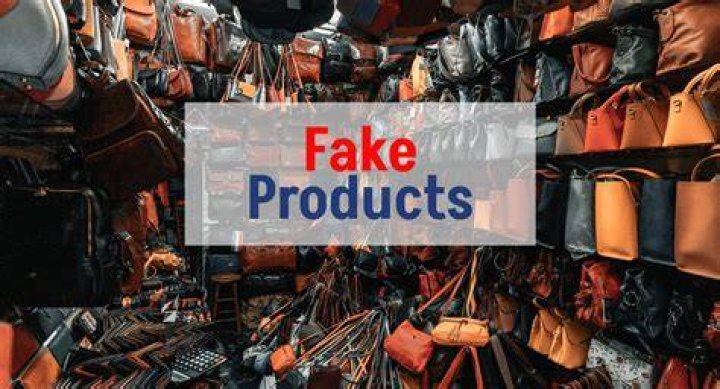
The internet is a strange place. You can buy almost anything with a click, from vintage vinyl to fresh groceries. But lurking in the shadows of legitimate marketplaces is a growing problem: counterfeit goods. And at the center of this underground economy, a new term has emerged: kfapfakes.
It sounds like a code word, something whispered in forums or hidden in product descriptions. In reality, kfapfakes refers to a specific network or category of counterfeit items, often high-end replicas of luxury brands, electronics, or even software. The term itself is a portmanteau, a blend of "kfap" (likely a brand or style indicator) and "fakes." But the implications are anything but playful.
Counterfeiting is not a victimless crime. It costs the global economy hundreds of billions of dollars annually, funds organized crime, and in some cases, can even be dangerous. Think about fake pharmaceuticals, counterfeit car parts, or knock-off electronics that overheat. The kfapfakes phenomenon is just the latest chapter in a very old story.
What Exactly Are KFAPFakes?
Let’s cut through the noise. KFAPFakes is not a single brand or a specific product line. Instead, it’s a label used by certain online sellers to denote high-quality replicas. Think of it as a code. If you see "kfapfakes" in a listing, it’s a signal to those in the know that the item is not authentic. It’s a fake, but often a very good one.
These items are typically sold on social media platforms, encrypted messaging apps, or lesser-known e-commerce sites. They bypass traditional quality control and consumer protections. The sellers are often anonymous, using burner accounts and cryptocurrency to avoid detection. The buyers? They range from bargain hunters to collectors who simply cannot afford the real thing.
But here’s the catch: buying kfapfakes is not just a moral gray area. It’s often illegal. In most countries, purchasing counterfeit goods is a violation of trademark law. And while individual buyers are rarely prosecuted, the risks are real. Your credit card information could be stolen. The product could be defective. And you have zero recourse if something goes wrong.
The Anatomy of a Counterfeit Network
To understand kfapfakes, you have to understand the ecosystem that produces them. It’s not a single factory in a basement. It’s a global supply chain. Raw materials are sourced from one country. Manufacturing happens in another, often in regions with weak labor laws. Distribution is handled by middlemen who use sophisticated logistics to avoid customs.
These networks are incredibly resilient. When one website is shut down, three more pop up. When a seller is arrested, another takes their place. The profit margins are enormous. A fake handbag that costs $20 to produce can be sold for $200. A counterfeit smartphone might cost $50 to assemble but sells for $500. The incentive to cheat is overwhelming.
And the quality? It varies wildly. Some kfapfakes are so convincing that even experts need magnification to spot the differences. Others are laughably bad, with misspelled logos and flimsy materials. The key is knowing what to look for.
How to Spot KFAPFakes: A Practical Guide
You don’t need to be a detective to avoid getting scammed. But you do need to pay attention. Here are the most common red flags:
Price is too good to be true. This is the oldest trick in the book. If a luxury watch is selling for 90% off retail, it’s almost certainly a fake. Legitimate discounts exist, but they rarely exceed 30-40% for high-demand items.
Poor packaging. Counterfeiters often skimp on the box. Look for blurry printing, incorrect fonts, or missing holograms. Authentic brands invest heavily in packaging. If it looks cheap, the product probably is.
Seller reputation. On platforms like eBay or Amazon, check the seller’s history. If they have few reviews or a pattern of complaints about authenticity, walk away. For kfapfakes sold on social media, the seller might have no history at all.
Material quality. Touch the item if possible. Real leather has a distinct smell and texture. Fake leather feels plasticky. For electronics, check the weight. Counterfeit phones are often lighter because they use cheaper components.
Serial numbers. Most luxury goods have unique serial numbers. You can often verify these on the brand’s website. If the number is missing, duplicated, or doesn’t match the product, it’s a fake.
The Real Cost of KFAPFakes
Let’s talk about the human side. Behind every kfapfakes transaction, there is a story. The factory worker in a developing country earning pennies per hour. The small business owner who loses customers to cheaper knock-offs. The consumer who buys a fake and ends up with a product that breaks, or worse, causes harm.
Counterfeit electronics are a particular concern. They often lack safety certifications. Batteries can overheat and catch fire. Chargers can deliver the wrong voltage. In 2023, a series of fires in London were linked to counterfeit phone chargers. The victims were not criminals. They were ordinary people trying to save a few pounds.
There is also the issue of data security. Some counterfeit smartphones come pre-loaded with malware. When you turn them on, they start sending your personal information to servers in unknown locations. Your photos, passwords, and banking details are suddenly in the hands of criminals. The cheap price tag suddenly doesn’t seem like such a bargain.
Why People Buy KFAPFakes
It’s easy to judge. But the reality is more complex. For many, luxury goods are a symbol of status, a way to signal success. But the gap between aspiration and affordability is vast. A genuine designer handbag can cost a month’s salary. A fake one costs a fraction of that.
Some buyers rationalize it. They argue that the brand is overpriced anyway. They say the quality difference is negligible. They claim they are just "borrowing" the look. But these justifications ignore the legal and ethical implications. Counterfeiting is theft. It steals intellectual property, jobs, and tax revenue.
There is also a growing subculture of "rep" enthusiasts. They collect high-quality replicas the way others collect stamps. They share tips on forums, compare batches from different factories, and even review the accuracy of stitching. For them, kfapfakes is a hobby, not a crime. But the law does not make that distinction.
The Legal Landscape
Laws vary by country, but the trend is clear: governments are cracking down. In the United States, the STOP Act of 2016 made it harder for counterfeit goods to enter the mail stream. The European Union has similar measures. China, once the epicenter of counterfeiting, has begun to enforce intellectual property laws more aggressively, partly due to international pressure.
But enforcement is a game of whack-a-mole. The internet is vast, and anonymity is easy. Sellers of kfapfakes often operate from jurisdictions where enforcement is weak. They use encrypted communication and cryptocurrency to stay off the radar. Even when they are caught, the penalties are often light compared to the profits.
For consumers, the risk is mostly financial. But there are exceptions. In some countries, buying counterfeit goods can lead to fines or even jail time. And if you resell them, the penalties are much harsher. The FBI has prosecuted individuals for trafficking in counterfeit goods, treating it as a form of fraud.
How Brands Are Fighting Back
Luxury brands are not sitting idle. They have invested heavily in anti-counterfeiting technology. Holograms, RFID chips, and blockchain tracking are becoming standard. Some brands now offer authentication services, where you can send in a product to verify its legitimacy.
There is also a growing trend of "digital passports" for luxury goods. Each item gets a unique digital ID that can be scanned with a smartphone. This makes it much harder for fakes to pass as real. But it also adds cost, which is passed on to the consumer.
Social media platforms are also stepping up. Instagram and Facebook now use AI to detect listings that might be counterfeit. They remove millions of posts each year. But the sellers adapt quickly, using misspellings and coded language to evade detection. "KFAPFakes" is just one of many such codes.
The Future of Counterfeiting
What comes next? The technology for creating fakes is getting better. 3D printing, AI-generated designs, and advanced materials are making it harder to distinguish real from fake. At the same time, consumer awareness is growing. People are more skeptical of deals that seem too good to be true.
There is also a shift in values, especially among younger generations. They care more about sustainability and ethics. Buying a fake might save money, but it also supports an industry that exploits workers and harms the environment. The true cost of kfapfakes is not just the price tag. It is the hidden damage to people and the planet.
Ultimately, the fight against counterfeiting is a race. Technology enables both the criminals and the enforcers. The outcome will depend on which side innovates faster. For now, the best defense is an informed consumer. Know what you are buying. Ask questions. And if something feels off, trust your gut.
Final Thoughts
KFAPFakes is a symptom of a larger problem. It reflects our desire for status, our love of a bargain, and our willingness to look the other way. But every purchase is a choice. You can choose to support legitimate businesses, or you can choose to feed a shadow economy.
The next time you see a deal that seems too good to be true, pause. Think about the factory worker, the small business owner, and the risk to your own safety. The allure of kfapfakes is strong, but the consequences are real. In the end, authenticity is not just about a logo. It is about integrity.